Smoked Fish

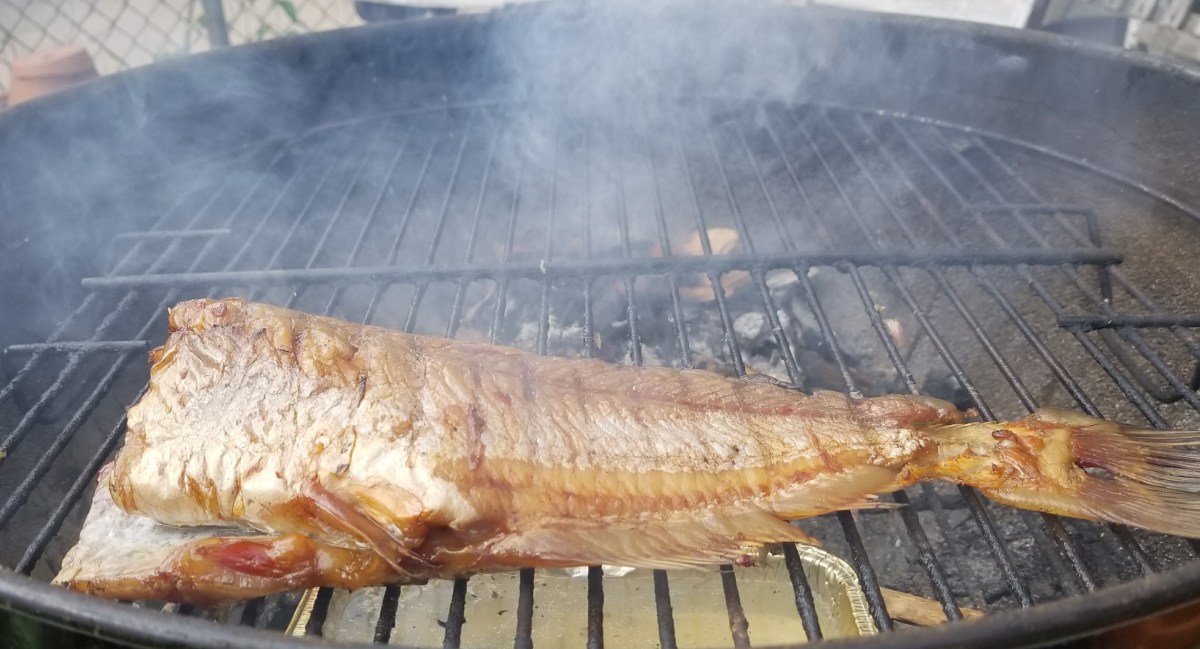
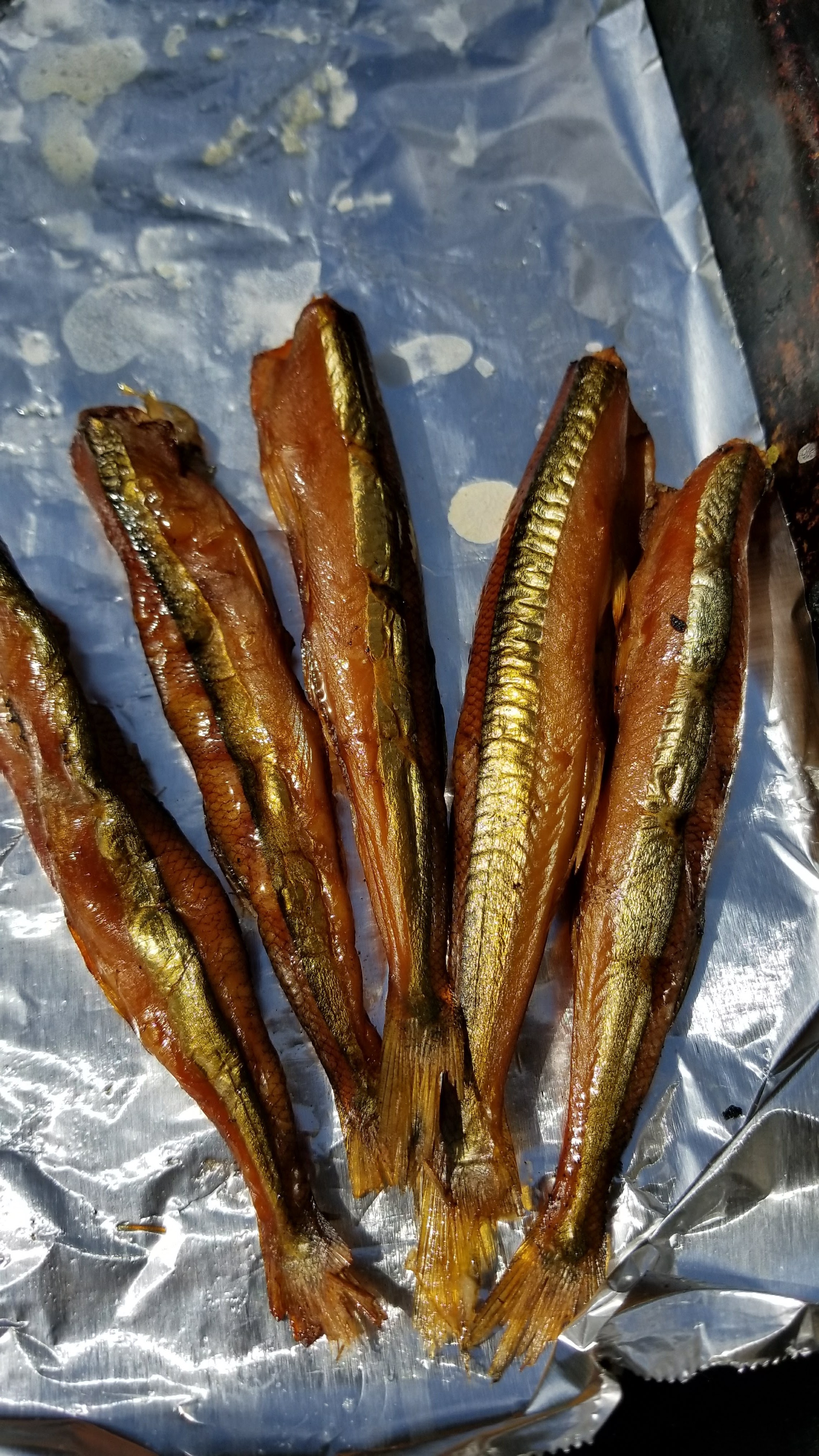
It’s not really correct to imply smoked fish is a specifically Medieval thing, and for that I apologize. People have been smoking fish since long before recorded history began, and we could have done this recipe at any point on this website’s culinary journey.

But as we touched on in episode 16 of the podcast, since both the diets and entire economies of northwestern Europe during the middle ages were so dependent on dried and smoked fish, now seemed an appropriate time to make some.

Though the fish of European Medieval times was herring, I was unable to locate any in my home town, so I opted for an all purpose recipe, for smoking just about any fish, as was done on Weber grills across the ages .

Continue reading “Smoked Fish”

Hearty Dark Rye Bread

How the times change. Today, this rye could be an expensive artisan loaf in a high end bakery. In dark ages Europe, it was food for peasants.

This is a true Middle Ages commoner’s bread, as there is no wheat flour involved. It’s almost all rye, but cut with a little barley and oats which were the only grains many serfs across Medieval northwest Europe would have had on hand. It makes a dense, chewy bread, whose texture still manages to be pleasant, that’s healthy for a carbohydrate, and packed with tangy rye flavor. It’s also very easy to make, with no kneading required, just many hours of waiting time.

Though be careful where you get your rye from. You don’t want to contract St. Anthony’s Fire like poor old Waigulf from the other side of the manor. Ate a bad loaf and was dead soon afterward, ‘e was.

Continue reading “Hearty Dark Rye Bread”

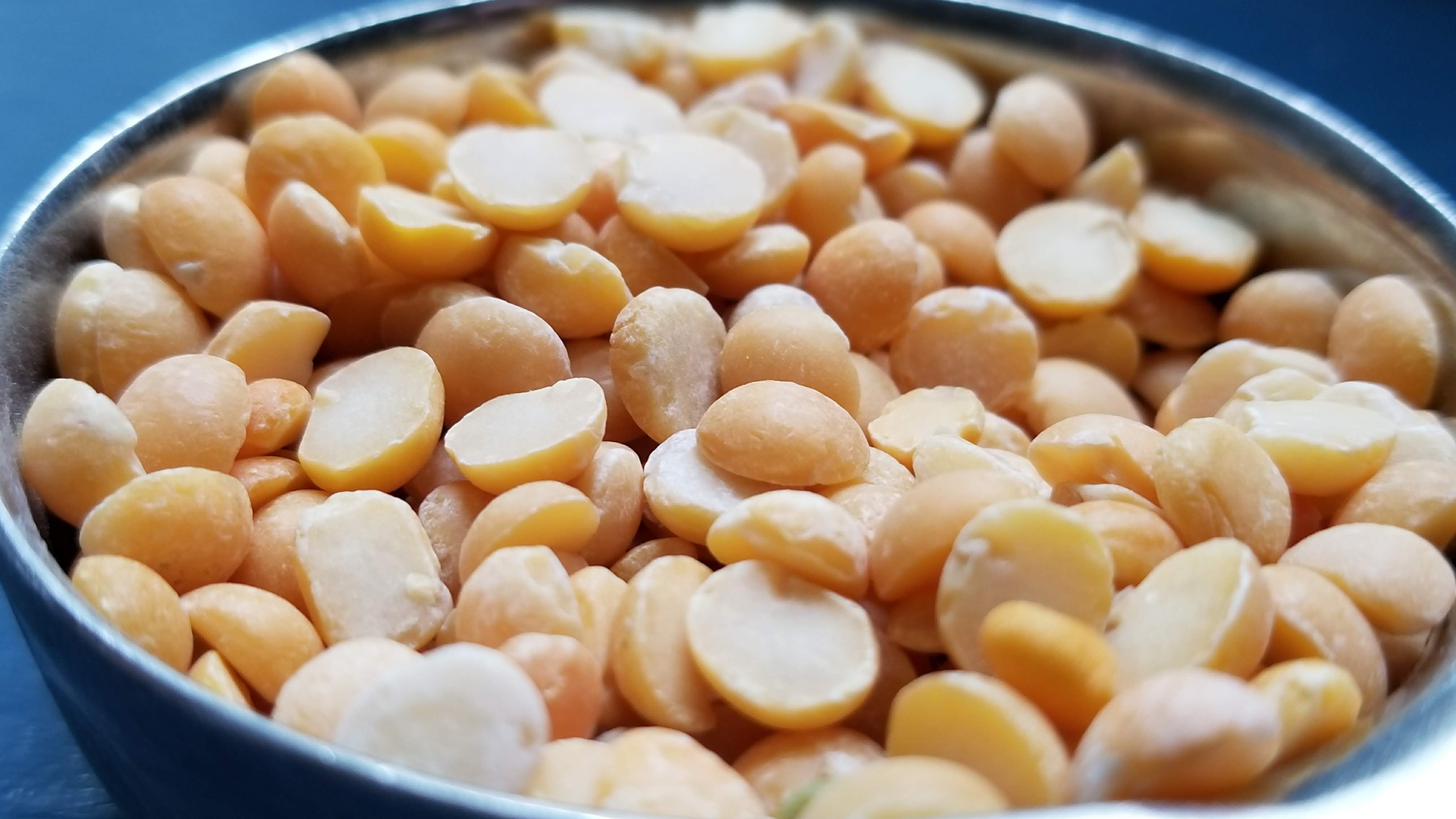
Ultimate 5 Lentil Dal

I’ve said this before when making soup back in the Neolithic, but lentils do NOT get enough love. When prepared right, these earthy, creamy, protein-packed legumes are truly delicious, which is why lentils, or Dal, are consumed and beloved by all cultures across India.

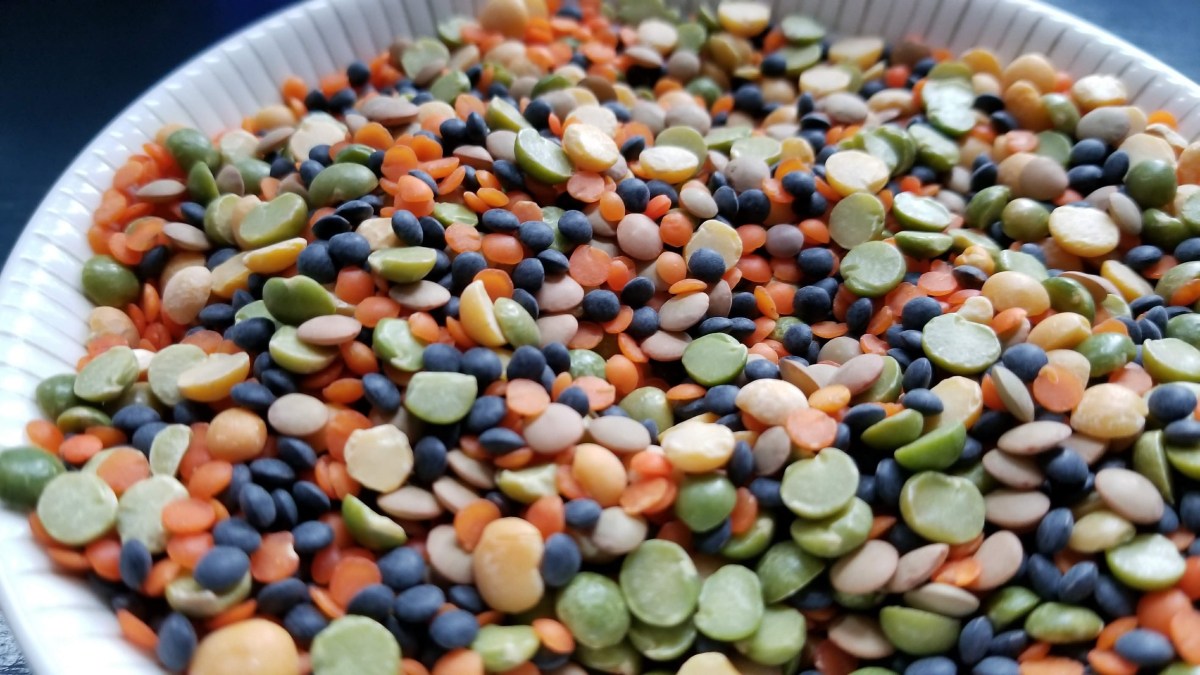
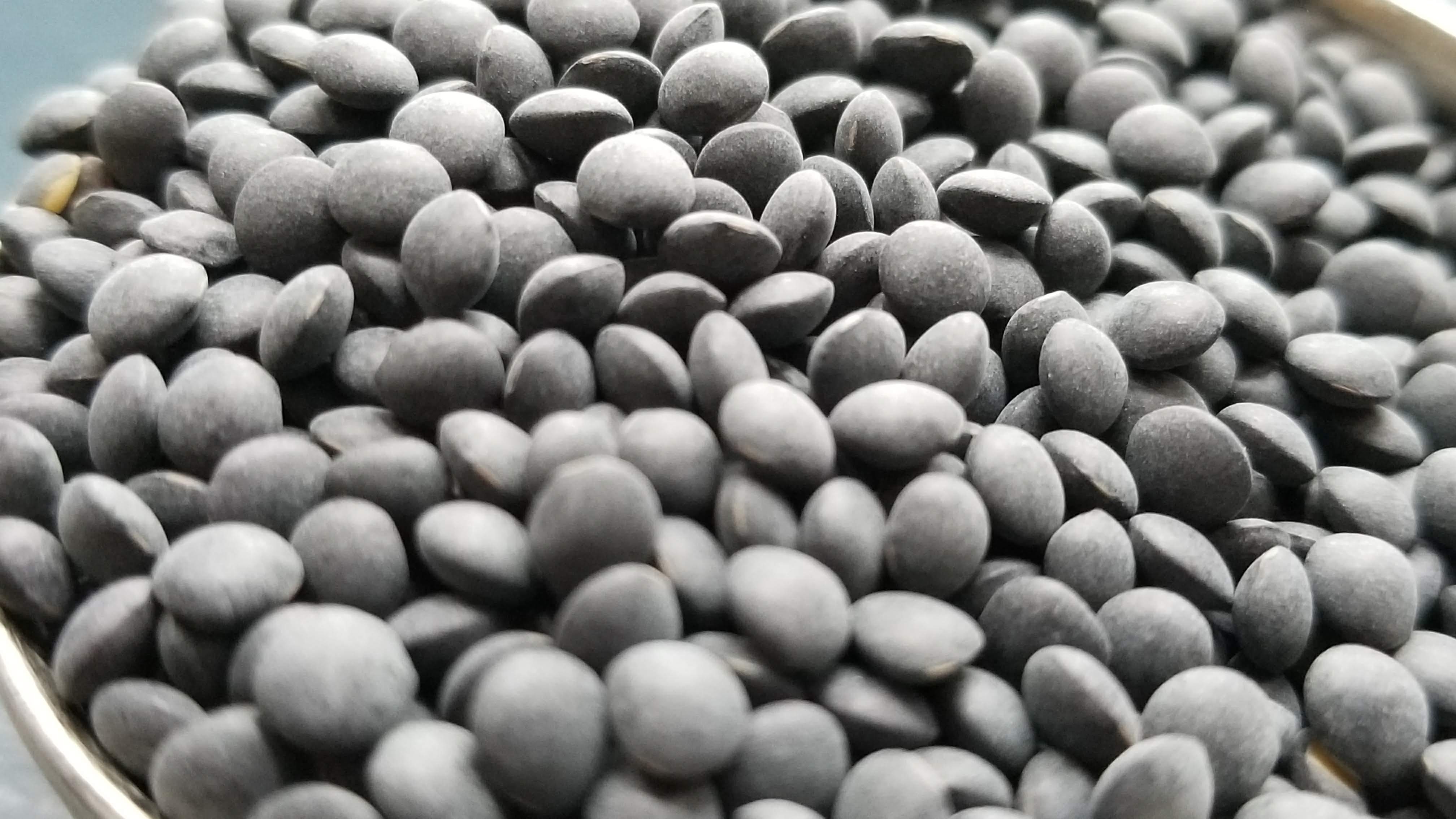
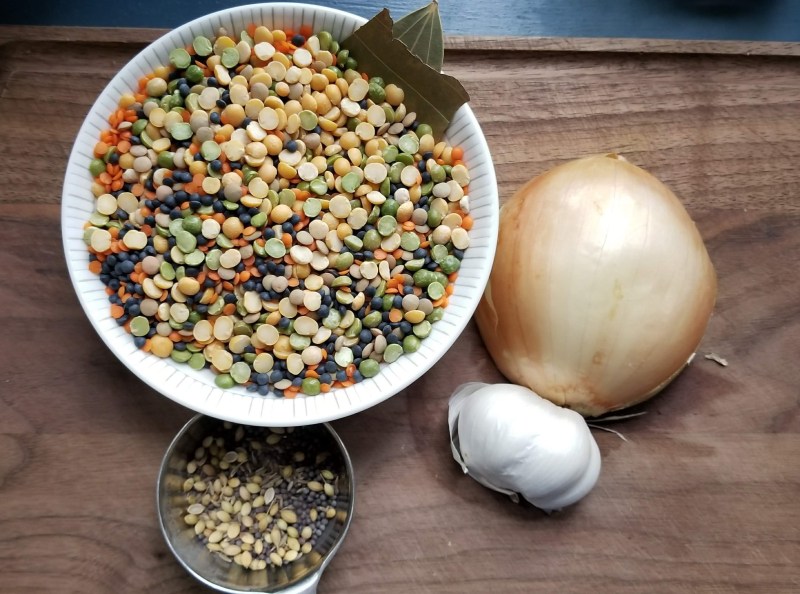
There are uncountable ways to cook them, and all sorts of things to add to make a unique dish. But to honor that tasty tradition, of one of the only ingredients to unite all of Indian cuisine, I wanted to make something I could call the “ultimate” Dal, while mostly keeping it pure and simple, with no superfluous ingredients. Just onions, garlic, spices, and lentils. Five kinds of them in fact.

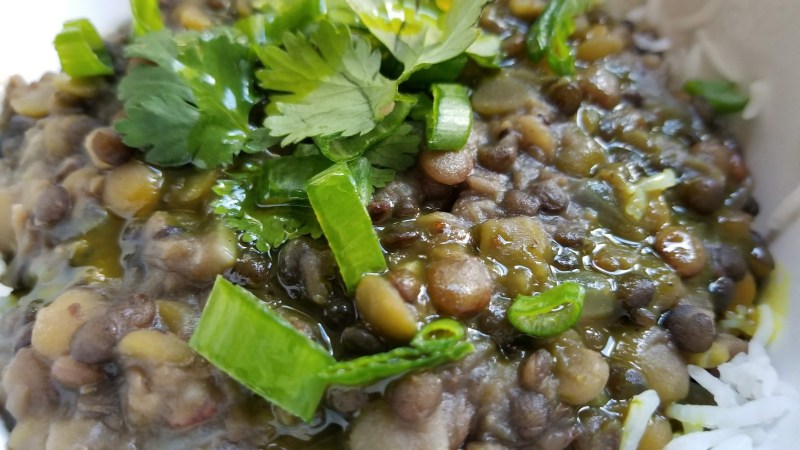
I know, it’s final form is not the most appetizing looking thing ever to be cooked on Anthrochef, but the flavor? I promise you it will blow your mind.

Note: This recipe is more of a guide than a specific set of instructions. Feel free to substitute any amount or combination of lentils, and the same goes for whatever spices you want to use!

Continue reading “Ultimate 5 Lentil Dal”

Ancient Persian “Brunch”

This one was a real treat to prepare and to eat: a classic spread of Persian inspired dishes for a late breakfast that will also satisfy you through lunch and beyond.

Maybe I’m wrong, but I don’t think there’s a literal translation in Farsi or any ancient Iranian language for “brunch”, but the classic early meal of an egg dish with lots of bread, and an assortment of spreads, jams, and garnishes to graze and pick over certainly fits any interpretation of the concept.

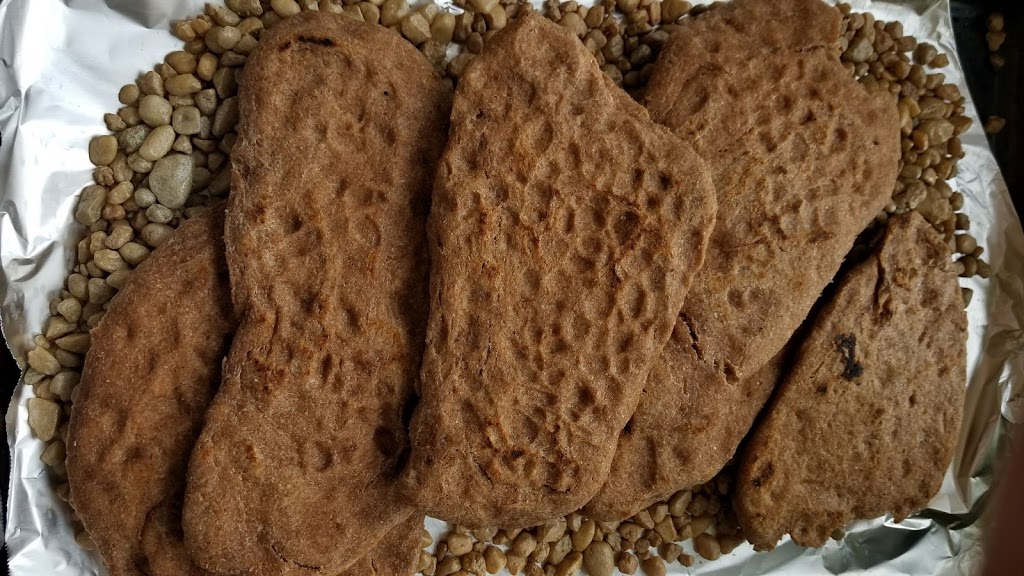
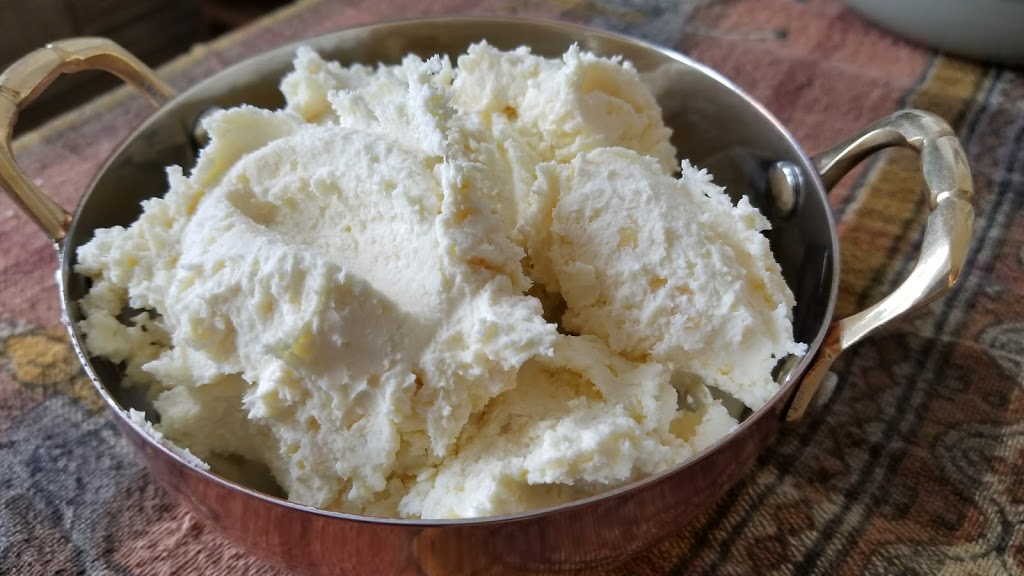
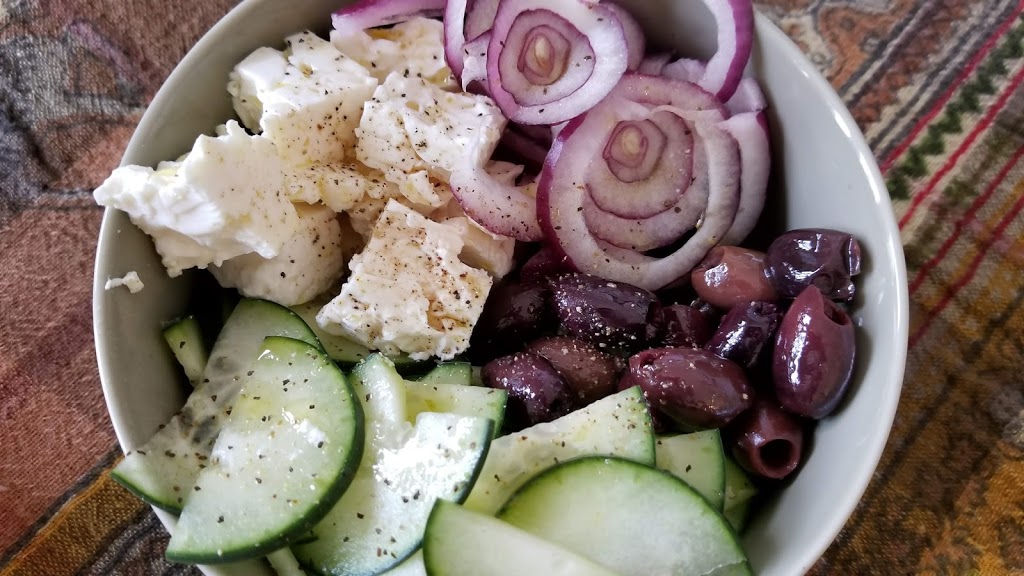
We’ve got a home cook’s version of classic SANGAK bread, cooked on hot pebbles to give it a grooved surface perfect for some sour plum and pomegranate jam, stewed figs and spices, and some freshly made KAYMAK, or what the English call clotted cream. To balance those sweet flavors, we’ve got some salty and briny garnishes on the side, as well as a a dish called NARGESI, a sort of frittata made from fried greens and onions.

Continue reading “Ancient Persian “Brunch””

NAN-E-BARBARI (Persian Flatbread)

This is flatbread heaven.

Before rice came to dominate Persian cuisine around the Middle Ages, all those classic Persian soups, stews, and kebabs were paired with bread, the ancient Iranian’s favorite mode of carb delivery by far.


It might even be mine! This technique is not too different from my MODERN ASH BREAD recipe, but this dough has a little less moisture, some vibrant toppings, and is of course shaped differently in that classic Persian flatbread grooved shape. It’s like pitas and breadsticks had a baby, and covered it in pungent spices.

So without much more fluff, here’s the recipe.

NAN-E-BARBARI

For Dough:

400g AP Flour
100g whole wheat flour
2 1/4 teaspoons dry yeast (or one packet)
1 3/4 cup warm water
1 tablespoon olive oil
1 tablespoon salt
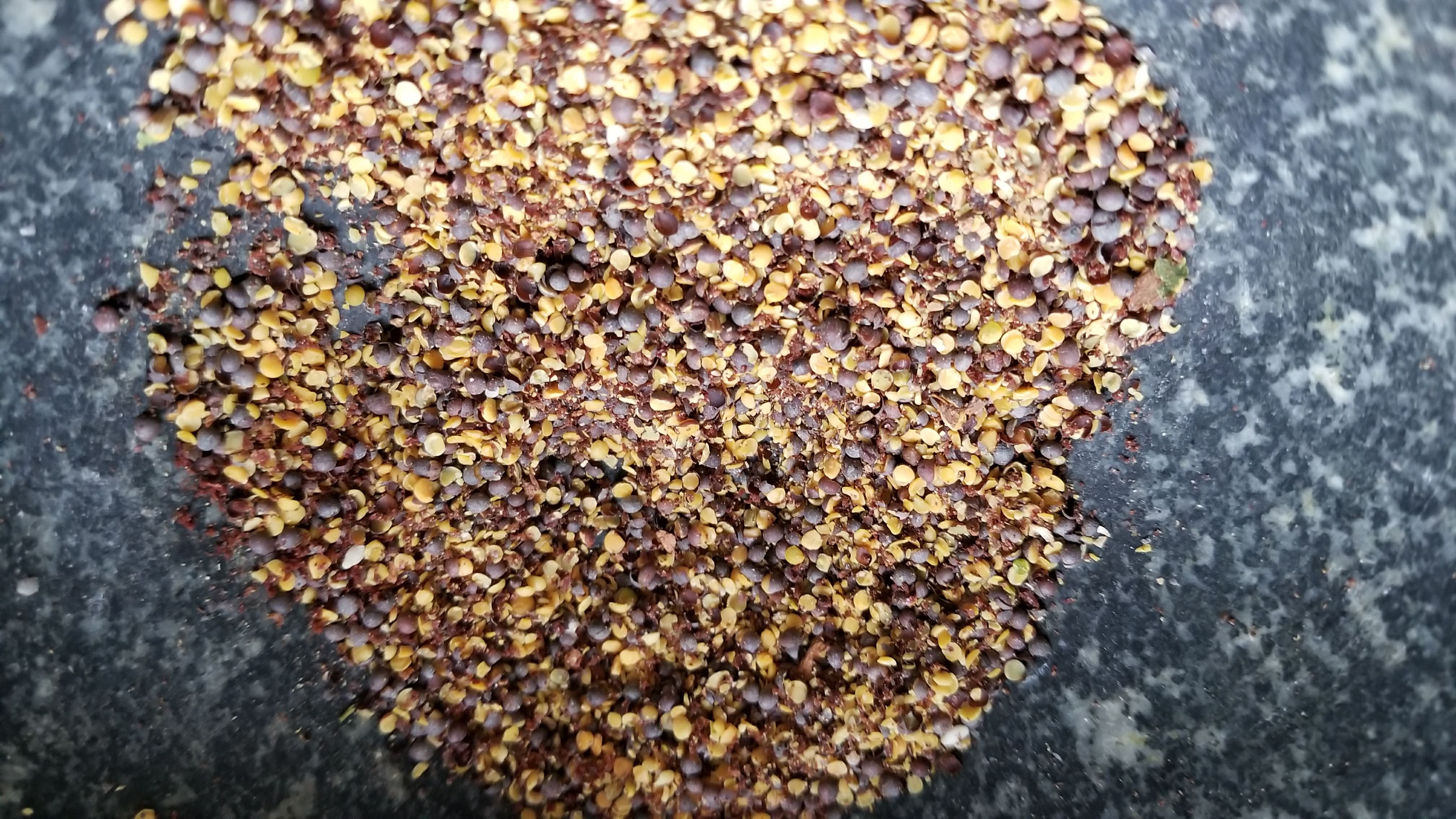
Middle Eastern spices of your choice (pictured: sumac, mustard seeds, sesame seeds)

For Glaze:

2 teaspoons AP flour
1/3 cup water
1/2 teaspoon honey
1/2 teaspoon olive oil

For the spices, tradition calls for a zatar spice blend, which above all must contain sesame seeds and citrusy sumac, but after that is basically a choose your own adventure. Thyme, oregeno, cumin, and coriander are good choices, but I just went with some mustard seeds, lightly (lightly!) pounded with the sesame and sumac.
20190228_161102

To start, activate the yeast by sprinkling it on top of the warm water. When foamy, stir in salt, olive oil, and then a third of the flour. Stir until combined, then stir in another third, and finally the last third, until what’s called a shaggy dough has formed.  That just refers to a dough whose water has collected and started to combine with all the flour in the bowl, but is still very loose, unformed  and… well, shaggy!


Turn onto a lightly floured surface and knead for 10 minutes until smooth and springy. You know the drill.  Lightly oil a bowl and let the dough proof, or rise.  Many recipes for Persian flatbread are relatively quick, and call for just one hour of leavening time. I like to push it a little further for flavor and texture, a minimum of 4 hours, covered in a warmish place.


Whether for just one hour or four, after you’ve proofed the dough, turn it back out onto the floured surface and divide in two. Shape each half into a rough log, a little less than a foot in diameter. Cover lightly with plastic right on the same surface, and let rise one more hour.

Meanwhile, preheat the oven AS HOT AS YOU CAN GET IT.  Traditionally, this bread should be baked in a blazing hot wood oven, almost like pizza. But you can still make it at home by cranking the oven.

Also meanwhile, make your glaze. A glaze?? For bread?? (you might say).  This is an ancient technique to generate a little steam and also accelerate the heat transfer in the oven, giving the bread a beautiful, crispy sheen.  It’s worth the little bit of trouble!

To make it, simply stir all the ingredients together in a small pot over medium heat, moving and scraping constantly until the mixture thickens into a loose paste. Should only take 2 minutes. When ready, take off the heat and set aside.


After the two not-yet-flatbreads have finished their final rise, dust two baking sheets with semolina flour or cornmeal. Then, lightly press and stretch the logs of dough into long rectangles, about an inch thick.  Use your fingers to make 3 grooves longways down the flatbread.


Now brush the dough with the glaze all over and have a great time sprinkling that delicious spice mixture all over the surface.  Gently transfer to semolina coated baking sheets by hand, and bake for 18-20 minutes, until golden brown.


Let cool, and slice into desired sizes. It’s also kind of fun to just leave it whole.


You can pair this with just about anything, but it really should be some kind of Persian stew or meat skewer. Here it is with some Ghormeh Sabzi , a fragrant herb and goat stew.

20190228_16570820190228_165913

Don’t miss it!


Garum (Fish Sauce) Completed

PREVIOUSLY ON ANTHROCHEF!. . . .

We started a batch of what the Romans called Garum, a delicacy across Ancient cultures: fish sauce! The gross way to say it? Fermented fish guts.

It’s been almost 8 weeks. My layers of salted, chopped sardines have been fermenting in the fridge, their essence dissolving in salt.  This could go for much longer, but I think it’s ready to strain and try!

I made Liquid Gold:20190124_125250.jpg

Line a mesh strainer with two double layers (yes, a lot) of cheese cloth, pouring in the fish mixture. It will take a long time to strain this way, but you will be rewarded with a cleaner sauce. Feel free to stir to help the process along.

I HIGHLY suggest doing this outside!

And that’s it! The end result is a sauce that’s similar, but also distinct from fish sauce bought in the store.  It’s actually less fishy, with more of a delicious, meaty, umami blast of saltiness.  It’s great in stirfries, mixed with other things into dipping sauces, or added just a couple drops at a time to nearly anything to give great depth of flavor.  It’s no wonder civilizations across history and geography have all enjoyed their own versions of garum.

Scallop Croquettes in Garum-Wine Reduction Sauce

There are many recipes in Apicius’s On Cookery which, while intriguing, I have little desire to taste.  The sardine and gelatin omelette for instance, or the fried pork livers and brain sausages that were usually paired with the dish I’m making today.

But that so named “Dish of Scallops” is a recipe that caught my eye long ago when I started reading this stuff. It’s something I’ve always wanted to make and taste ever since.  Given its mastery of the Mediterranean, Roman love of shellfish was… well, a given! Herem Apicius presents a delicious, exceedingly refined way to cook some.

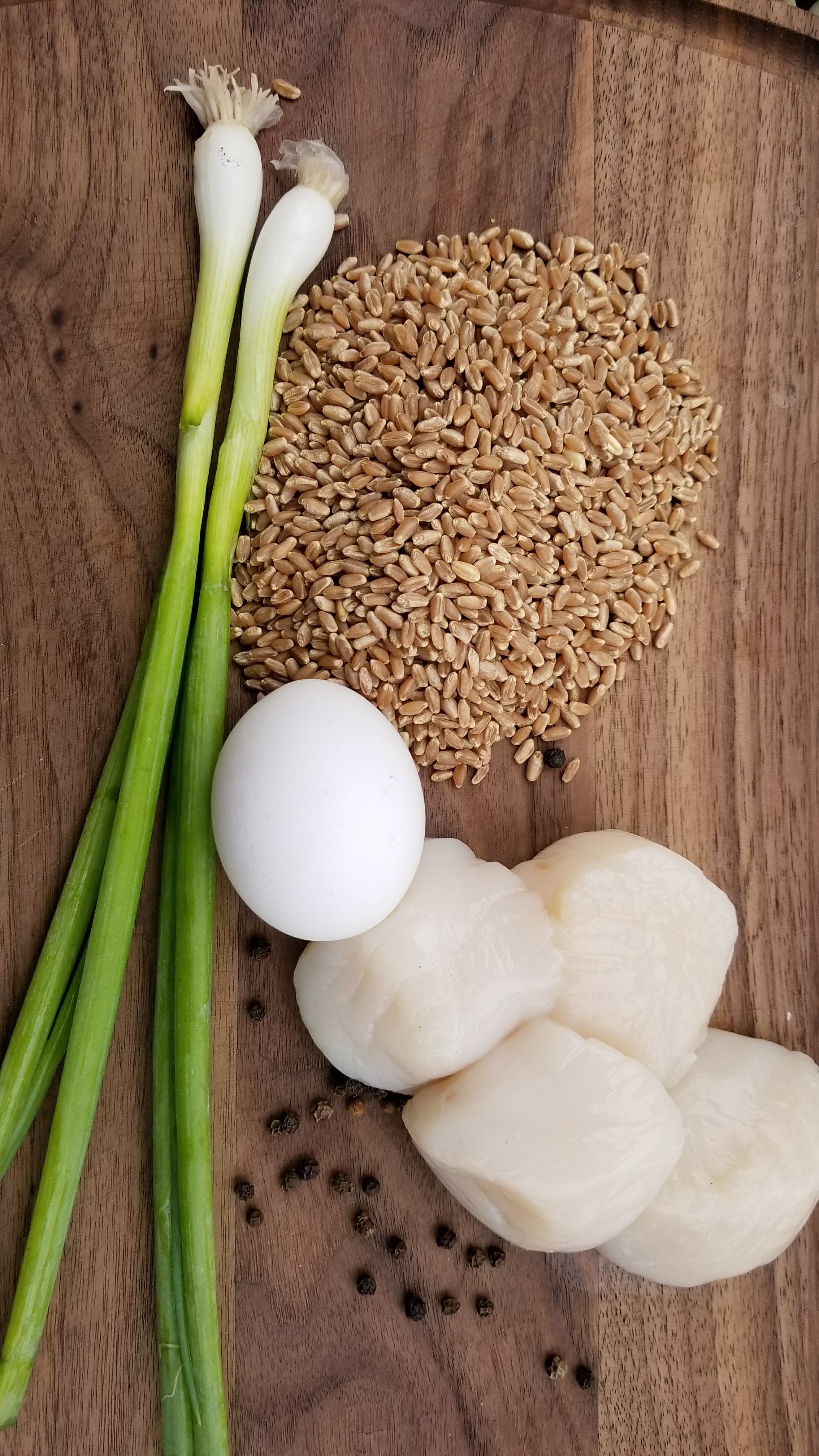
Lightly cook scallops or the firm part of oysters.  Remove the hard and objectionable parts, and mince the meat very fine. Mix this with cooked spelt, eggs, and season with pepper. Shape into croquettes and wrap in caul. Fry, and underlay a rich fish sauce and serve as a delicious entree.

We’re going to modify the instructions just a bit.

20181101_121200.jpg

Continue reading “Scallop Croquettes in Garum-Wine Reduction Sauce”

Mayan Hot Chocolate

Behold, chocolate!

It may have been the Olmec or one of the other mother cultures of Mesoamerica who first learned to ferment cacao beans into chocolate and turn it into a drink.  It was the Maya who took a particular love to it, and it was the Triple Alliance, or Aztec Empire, which carried on the tradition.

Ancient Mesoamericans didn’t add sugar to their chocolate. They loved the bitter taste, though they did like to flavor it with other things, like vanilla and most famously chili peppers. This frothing draught was a blast of intense flavors.

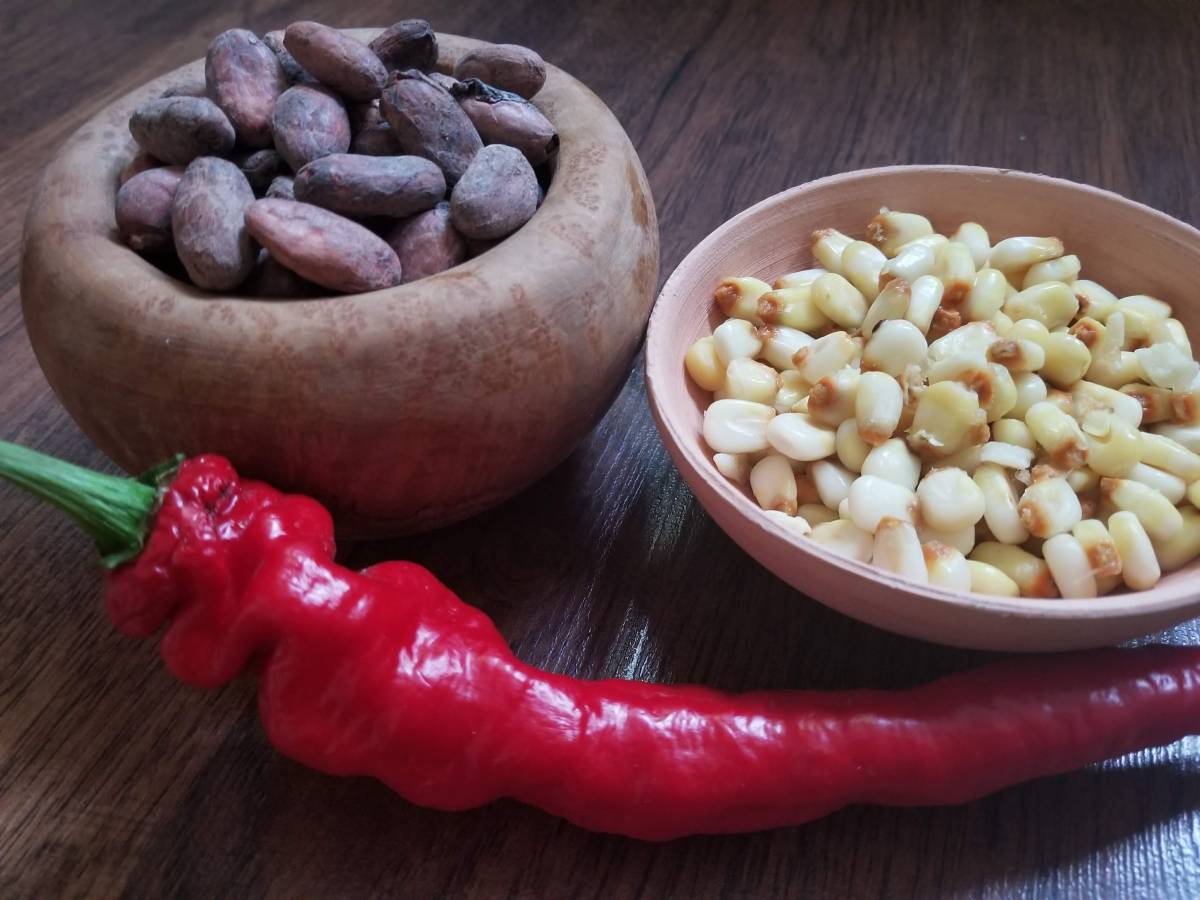
Modern Mexican hot chocolate, or champurrado, is made by combining sweetened chocolate with tamalified corn, or masa.  This recipe is a combination of the ancient drink and the modern treat, made from pure raw ingredients: corn, cacao beans, and chili pepper. Continue reading “Mayan Hot Chocolate”

Hand Pulled Noodle Soup

It wasn’t known for sure until recently, but archaeological evidence has confirmed that the noodle was invented in Ancient China. The oldest ever found were made out of millet, which is hard for me to imagine. This recipe is much easier than that prehistoric version, following the later Northern Chinese tradition of cooking with wheat.

With refined wheat flour, making hand made noodles and an amazing soup to go with them (in this case a pork bone broth with greens) is really very simple. It just takes time, time to build a flavorful broth, and time for the gluten to develop in the pasta dough to make it elastic and stretchable.


Continue reading “Hand Pulled Noodle Soup”

Hummus

You’ve never had hummus this good.

Well. . . Unless of course you buy Sabra, or already happen to know the two simple secrets to making the best hummus (revealed below).

Hummus is one of those pan-regional foods that every Mediterranean country today seems to have as a staple, and also claims to have invented. Its roots go back further into history than we can trace.

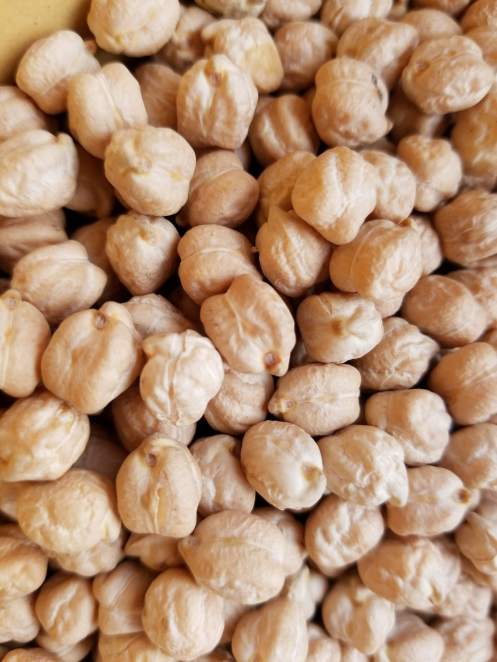
There is no direct historical evidence for ancient humans consuming literal hummus. HOWEVER, the record shows that chickpeas were a significant part of farmers’ crop and diets throughout the Near East,  beginning way back in the prehistoric Neolithic.   For people that ate mostly grain, legumes like the chickpea were a critical source of protein.  While simple consumption was probably most common, I have no doubt that ancient culinary minds were also occasionally mashing their chickpeas into dips, spreads, and pastes.

20180620_192340.jpg

With that established, we also know that onions and garlic were beloved by populations all over the region, and that by the time of the later Bronze Age after 2,000BC, the vast trade networks between the Near Eastern powers of the day ensured that olive oil and sesame seeds were widespread throughout the land.

Which means we have all the ingredients we need to make a classic hummus. All we’re missing is lemons, which had not yet spread to the region by the Bronze Age.  So this recipe substitutes vinegar, but is otherwise no different from a modern hummus today.
20180621_142654-e1530020290463.jpg

Here are the two promised secrets to making hummus fit for the gods: Continue reading “Hummus”